-
 naturals bamboo and cotton yarn
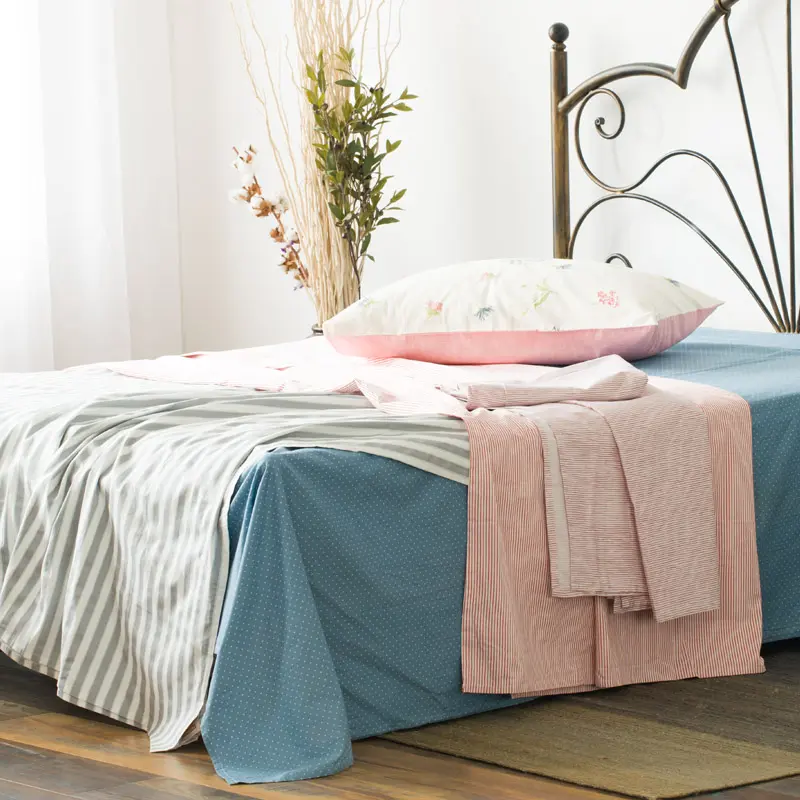
A Practical Insider’s Guide to 100% Cotton Dobby Bedding fabric If you work in home textiles, hospitality, or you’re just picky about your sheets (I am, admittedly), you’ve probably heard a lot of buzz about dobby weaves. The short version: they add a subtle pattern without shouting about it, and—when the cotton is right—feel cool, breathable, and steady over time. The 100% Cotton Dobby Bedding fa
-
 5 ply cotton yarn
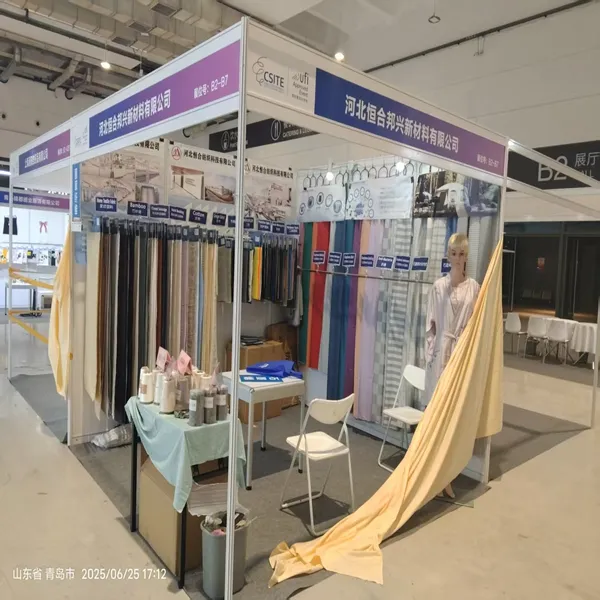
Hebei Henghe Bangxing New Material Co., Ltd. takes pride in offering premium Australian cotton yarn that sets new standards in textile excellence. As one of the leading Australian cotton yarn manufacturers , we specialize in producing high-count 80S combed yarns that combine luxurious softness with exceptional durability. Our innovative cotton merino yarn Australia blends represent the perfect mar
-
 different types of underwear fabric
The Evolution of Workwear Fabric: Trends and Innovations The global demand for high-performance workwear fabric continues to expand, driven by stringent safety regulations, increased focus on worker comfort, and the integration of smart textile technologies. Industries from petrochemical to manufacturing and construction are seeking advanced materials that offer superior protection, durability, an
-
 fabric yarn
In today’s fast-changing textile industry, the demand for yarn for sale continues to rise steadily. From handcraft enthusiasts to international clothing factories, yarn remains the foundation of fabrics and finished garments. The global market has seen surging interest in eco-friendly fibers, natural cotton blends, and high-performance synthetics, making the supply of yarn for sale more diverse th
-
 apparel knit fabric
The Evolution of Workwear Fabric: Trends and Innovations The global demand for high-performance workwear fabric continues to expand, driven by stringent safety regulations, increased focus on worker comfort, and the integration of smart textile technologies. Industries from petrochemical to manufacturing and construction are seeking advanced materials that offer superior protection, durability, an

recycled fabric bags
As the global textile industry seeks to balance performance with environmental responsibility, Recycled Polyester Yarn has emerged as a transformative solution. This eco-friendly material, crafted from 100% recycled polyester fibers sourced from post-consumer PET bottles or industrial waste, offers a compelling alternative to traditional virgin polyester. With its robust technical specifications and versatile applications, it is redefining sustainability in textile production. Below, we explore the features, advantages, and real-world impact of this innovative yarn. Product Overview Recycled polyester yarn is a testament to circular economy principles. By repurposing discarded plastic materials, it reduces reliance on virgin resources while addressing the growing issue of plastic waste. The yarn's composition ensures it retains the durability and versatility of conventional polyester, making it an ideal choice for industries prioritizing both quality and sustainability. Key Features and Technical Specifications The Recycled Polyester Yarn is engineered to meet the demands of modern textile manufacturing. Its technical specifications include: Parameter Details Material 100% Recycled Polyester Yarn Count Ne16/1, Ne18/1, Ne30/1, Ne32/1, Ne40/1 End Use Garments, Bedding, Toys, Outdoor Products MOQ 1000kg Delivery Time 10–15 Days Performance and Environmental Impact While recycled polyester yarn (rPET) has historically faced scrutiny over its consistency compared to virgin polyester, advancements in recycling technology have significantly narrowed the gap. According to a 2022 study by the National Institute of Standards and Technology (NIST) , modern rPET fibers now exhibit comparable tensile strength (4.5–6.5 g/d) and abrasion resistance, making them suitable for high-stress applications like denim stitching and outdoor gear. One of the most significant advantages of rPET is its reduced carbon footprint. The production of recycled polyester requires 60–70% less energy than virgin polyester, according to the NIST ’s 2021 sustainability report. This makes it an attractive option for brands committed to environmental stewardship. Additionally, rPET yarns often feature UV resistance and colorfastness, ideal for home textiles like curtains and upholstery that endure prolonged sunlight exposure. Applications Across Industries The versatility of Recycled Polyester Yarn spans multiple sectors: Apparel: Its wrinkle resistance and smooth surface make it a favorite for woven blazers, trousers, and jacquard fabrics. Designers appreciate its ability to maintain pattern clarity in intricate weaves. Home Textiles: Anti-pilling variants ensure bedding and upholstery retain their appearance after repeated laundering, while UV resistance extends the lifespan of curtains. Industrial Sewing: rPET yarns perform reliably at high speeds (over 5,000 RPM), with breakage rates below 0.3%—a critical factor for manufacturers prioritizing efficiency. Outdoor Gear: The yarn’s durability and resistance to abrasion make it ideal for backpack straps, tents, and sportswear. Company Background: Hebei Henghe Bangxing New Material Co., Ltd. Founded in 2015, Hebei Henghe Bangxing New Material Co., Ltd. has become a leader in sustainable textile solutions. Specializing in recycled polyester products, the company leverages cutting-edge recycling technologies to produce high-quality yarns that meet international standards. With a commitment to innovation, Hebei Henghe Bangxing has partnered with global brands to develop eco-conscious materials without compromising performance. Why Choose Recycled Polyester Yarn? For manufacturers and designers, the benefits of rPET are clear: Sustainability: Reduces plastic waste and lowers carbon emissions. Cost-Effectiveness: Competitive pricing due to efficient recycling processes. Performance: Matches or exceeds virgin polyester in strength and durability. Regulatory Compliance: Meets global sustainability certifications (e.g., GRS, Oeko-Tex). Challenges and Future Outlook Despite its advantages, rPET faces challenges such as variability in recycled material quality and the need for specialized recycling infrastructure. However, ongoing research by institutions like the NIST is addressing these issues. For instance, NIST’s 2023 guidelines on polymer recycling emphasize the importance of standardized testing to ensure consistency in recycled fibers. As technology evolves, the gap between rPET and virgin polyester will continue to shrink, solidifying its role in the future of textiles. Conclusion The Recycled Polyester Yarn represents a pivotal shift toward sustainable manufacturing. With its robust technical specifications, diverse applications, and environmental benefits, it is poised to become the industry standard. As companies like Hebei Henghe Bangxing New Material Co., Ltd. continue to innovate, the future of textiles looks greener—and more resilient than ever. References National Institute of Standards and Technology (NIST) . (2021). Sustainability in Textile Production. Retrieved from https://www.nist.gov/ . NIST . (2023). Guidelines for Polymer Recycling. Retrieved from https://www.nist.gov/ .
-
Manufacturing Bases
0
-
Spindles
0
-
Years Of Experience
0
-
Factory Scale
0
Feel Free To Contact Us
Want To Know More?
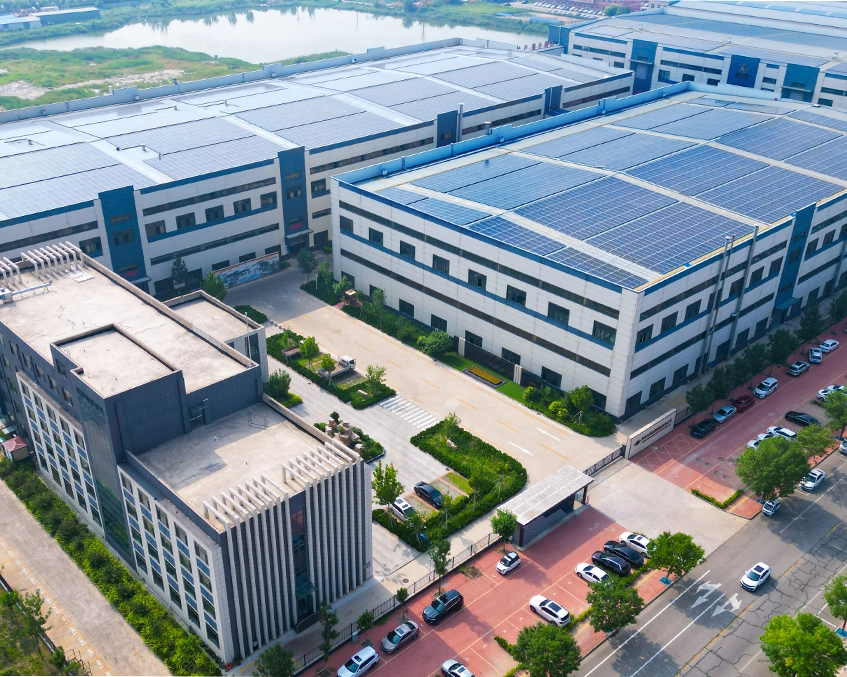
We focus on high-quality customization of home textiles, combining fashionable design with durable craftsmanship to add comfort and style to your home life.
Contact Us
-
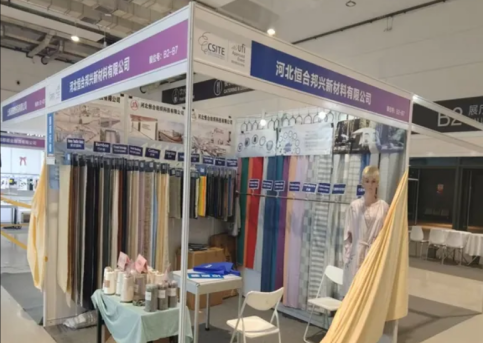
Chenille yarn
2026-09-07 16:49https://www.changshanfabric.com/images/auto/changshanfabric-Chenille-yarn.webp
-
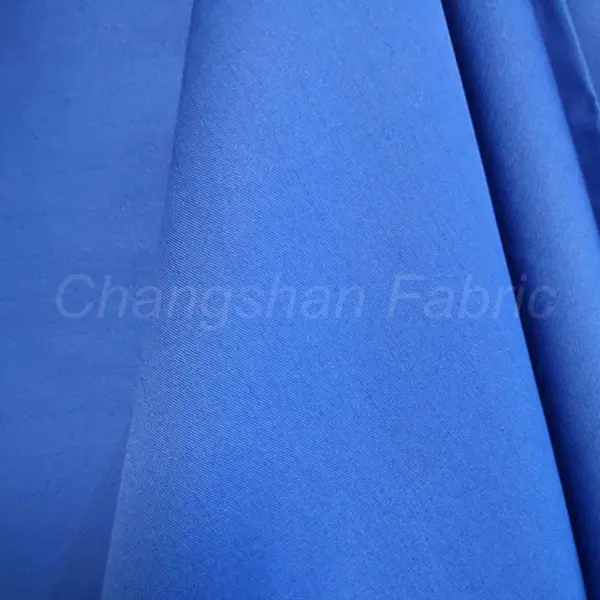
Recycle Polyester Yarn - Hebei Henghe Bangxing New Material Co., Ltd.|Sustainable Textile,Eco-Friendly Material
2026-09-07 15:20https://www.changshanfabric.com/images/auto/5Li75Zu-MTMuanB.webp
-
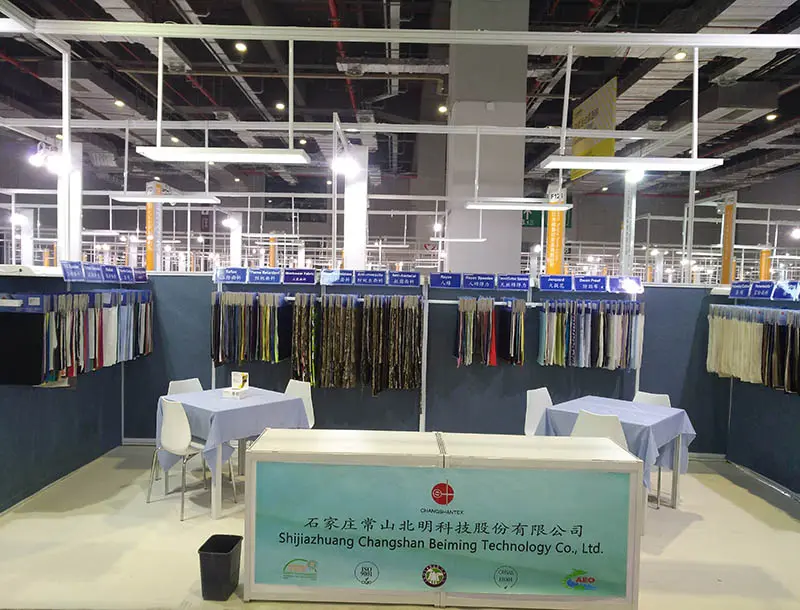
Recycle Polyester Yarn-Hebei Henghe Bangxing New Material Co., Ltd.|Sustainable Textile Innovation&High-Performance Yarn
2026-09-07 14:50https://www.changshanfabric.com/images/auto/5Li75Zu-MTMuanB.webp

 Skin-friendly
 Versatile
 Durable
 Assured
-
Navigation
-
Main products
-
Navigation
-
Contact Us
 kewin.lee@changshanfabric.com

Room 1503, 15th Floor, Tianli Business Building, No. 34 Guang'an Street, Chang'an District, Shijiazhuang, Hebei
Copyright © 2025 Hebei Henghe Bangxing New Material Co., Ltd. All Rights Reserved. Privacy Policy